The allure of chance in casino games
The allure of chance is a fundamental aspect that drives many players to casino games. From the spinning reels of slot machines to the strategic card games of poker, the thrill of uncertainty captivates individuals. This attraction often stems from the human desire for excitement and risk-taking, which can be traced back to evolutionary psychology. Engaging in games of chance allows players to experience an adrenaline rush that mimics the thrill of hunting or exploring new territories, especially when they choose an online casino accepting neosurf that offers a diverse range of games. The very essence of chance in gambling resonates with the innate human quest for adventure and the unpredictable nature of life itself.
This inherent fascination with chance is further fueled by the concept of reward. Players often find themselves in a cycle of hope and anticipation, as the possibility of winning can lead to emotional highs. When a player wins, the brain releases dopamine, a neurotransmitter associated with pleasure and reward. This chemical reaction reinforces the behavior, compelling players to return for more, despite the odds often being against them. It’s akin to a rollercoaster ride where each dip and rise is filled with exhilaration, and the potential of hitting the jackpot creates a powerful feedback loop that keeps players engaged. The emotional highs associated with winning can overshadow the reality of losses, creating a skewed perception of gambling outcomes.
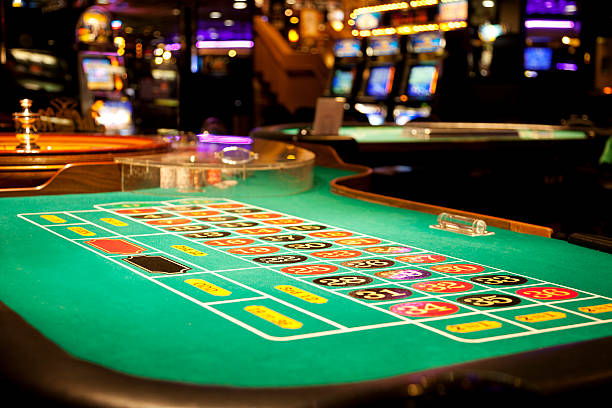
Moreover, the environment of a casino is designed to amplify this excitement. Bright lights, enticing sounds, and the vibrant atmosphere create a sensory overload that enhances the thrill of gaming. Players are often drawn into this carefully crafted environment, which encourages longer play and increased spending. The combination of chance, reward, and immersive surroundings illustrates how psychology plays a crucial role in the behavior of casino players. This environment can stimulate the senses and heighten emotions, making it easy for individuals to lose track of time and money. The design elements in casinos are not just for show; they are meticulously planned to optimize player experience and engagement.
Risk-taking behavior and the gambler’s fallacy
Risk-taking behavior is an essential element in understanding player actions in casino settings. Many individuals are naturally inclined to take risks, which can be linked to their personality traits and social influences. In casinos, this inclination is often heightened by the exciting ambiance and the potential for significant rewards. Psychological studies reveal that the thrill of risk-taking can lead to a temporary boost in self-esteem, encouraging players to make bolder decisions, even when the risks are not in their favor. This can foster a cycle of betting behavior, where players may feel invincible after a win and underestimate the potential for loss.
The gambler’s fallacy plays a significant role in how players perceive their chances of winning. This cognitive bias leads players to believe that past outcomes can influence future events in games of chance. For instance, a player may think that after a series of losses, a win is “due,” despite the fact that each spin or hand is an independent event. This misperception can lead to erratic betting patterns and increased losses, as players chase their perceived winning streaks. The gambler’s fallacy illustrates how cognitive distortions can cloud judgment, leading to decisions that defy logical reasoning.
Understanding the psychological mechanisms behind risk-taking and the gambler’s fallacy can help players manage their strategies more effectively. By recognizing these biases, players can make informed decisions, reducing the propensity to fall prey to misconceptions about luck and probability. Ultimately, fostering a better understanding of their own behaviors can contribute to more responsible gambling practices. Players who educate themselves about the odds and the nature of their games can significantly improve their decision-making processes, making them more aware of the inherent risks involved in their gambling endeavors.
The role of social dynamics in player behavior
Social dynamics are crucial in shaping player behavior in casino environments. Gambling is often seen as a social activity, where individuals gather to experience the excitement together. The presence of other players can influence decision-making, as individuals may feel compelled to act in ways that align with social norms or peer expectations. This social interaction can heighten the experience, making it feel more rewarding and enjoyable. For many, the camaraderie found in casinos can enhance the thrill of the game, as shared successes and losses create a sense of community.
Conversely, social dynamics can also lead to negative behaviors, such as competitive gambling or loss-chasing. When surrounded by others, players may feel pressure to continue betting or to take risks they might avoid when alone. The desire to fit into a group or impress peers can lead to detrimental financial decisions, as individuals prioritize social acceptance over rational thought. This highlights the importance of understanding the social context in which gambling occurs. The urge to conform can lead to impulsive decisions that may not align with one’s usual risk tolerance or financial strategy.
Research indicates that the social environment can also affect cognitive biases. Players in a group may share distorted beliefs about odds and outcomes, reinforcing each other’s misconceptions. Understanding these dynamics allows both players and operators to create healthier gambling environments that promote responsible behavior while enhancing the enjoyment of social interactions within casinos. By fostering a culture of awareness and support, casinos can help mitigate the risks associated with social gambling behaviors, encouraging more mindful play among patrons.
The impact of marketing and design on gambling behavior
Marketing strategies and game design significantly impact gambling behavior in casinos. These elements are meticulously crafted to attract players and enhance their gaming experience. For instance, vibrant graphics, engaging sound effects, and interactive gameplay create an immersive atmosphere that appeals to players’ senses. This design philosophy extends beyond mere aesthetics; it is rooted in psychological principles aimed at maximizing player engagement and retention. The strategic placement of games, the layout of the casino floor, and the use of colors are all designed to evoke specific emotional responses that encourage prolonged play.

Promotions, bonuses, and loyalty programs also play a critical role in shaping player habits. Many casinos employ tactics that capitalize on players’ desires for rewards and recognition. For example, offering free spins or rewards for frequent play can entice players to return, creating a sense of belonging. These marketing strategies are designed to elicit emotional responses that encourage ongoing participation, often leading to increased spending. The allure of achieving a status level or unlocking exclusive bonuses can be a powerful motivator, drawing players back into the casino time and again.
Furthermore, understanding the psychology behind marketing can help players become more aware of their responses to promotional tactics. By recognizing how enticing offers can manipulate behavior, players can make more informed decisions about their gambling habits. This awareness fosters a more mindful approach to gaming, allowing individuals to enjoy the experience without falling into traps set by marketing strategies. Being conscious of the designed nature of these promotions helps players maintain a balanced perspective, ensuring they engage with games in a way that aligns with their values and financial limits.
Responsible gambling and awareness through education
Promoting responsible gambling practices is essential for mitigating the psychological risks associated with casino gaming. Education and awareness play fundamental roles in helping players understand their behaviors and the potential consequences of gambling. By fostering a sense of responsibility, players can learn to recognize when their gambling is becoming problematic and take proactive steps to address it. Educational initiatives can empower individuals to set limits on their gambling activities, ensuring they engage with games in a more controlled and mindful manner.
Creating educational programs that focus on the psychological aspects of gambling can empower players to make informed choices. These programs can cover various topics, including understanding odds, recognizing cognitive biases, and identifying emotional triggers. By providing players with the tools needed to identify unhealthy patterns, these initiatives can contribute to improved mental well-being and healthier gaming habits. Awareness campaigns can also emphasize the importance of self-exclusion options and support resources available for those in need.
Additionally, casino operators play a crucial role in promoting responsible gambling by implementing measures such as self-exclusion programs and providing resources for players seeking help. By creating an environment that prioritizes player welfare, casinos can contribute to a culture of responsible gaming. This collaboration between players, operators, and educators ensures that the conversation around gambling remains focused on awareness and positive engagement. Ultimately, fostering an environment of support and knowledge can lead to a healthier relationship with gambling, benefiting both players and the industry as a whole.
Comments are closed